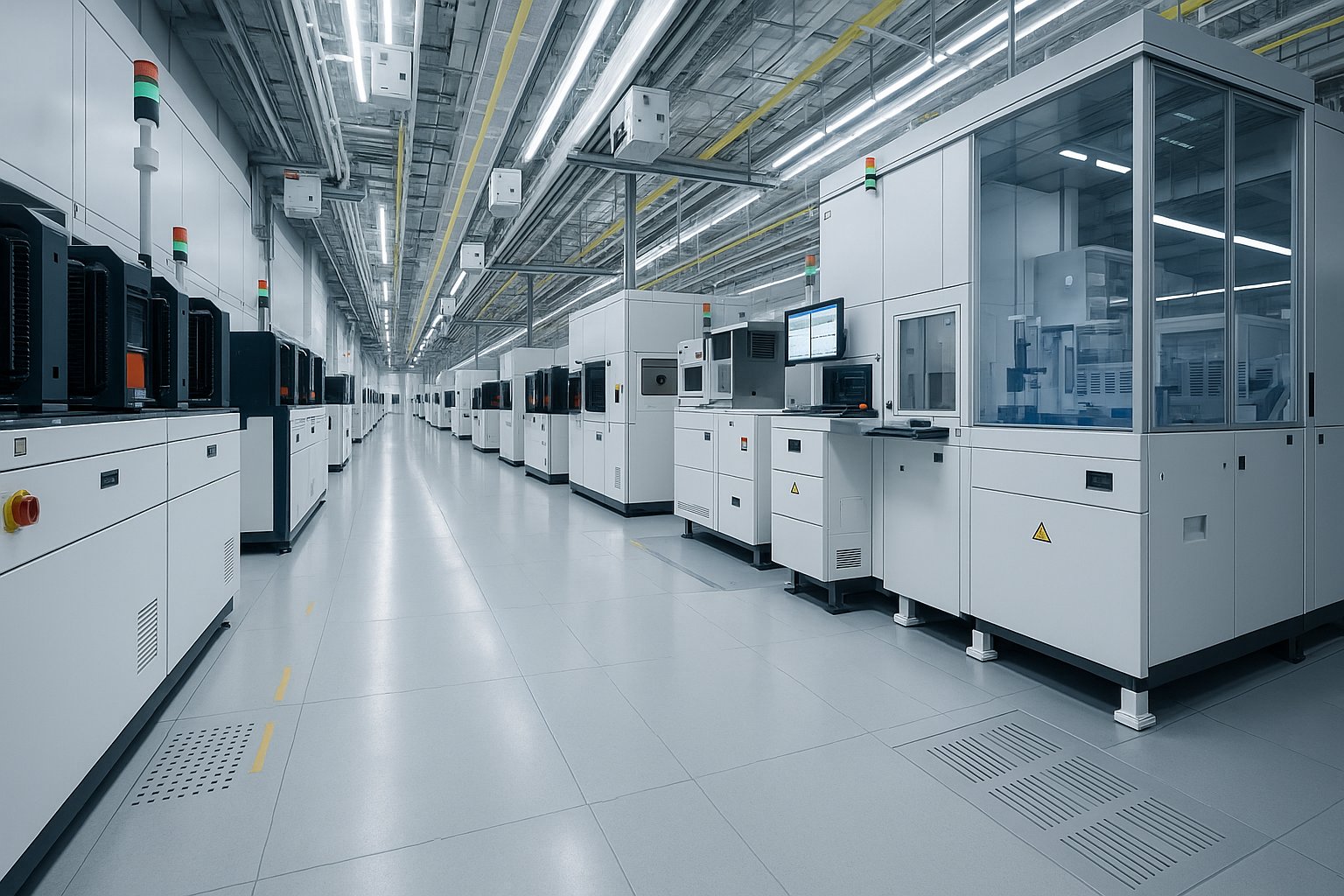
conversion maximizing fab compatible reactive ion etcher options?
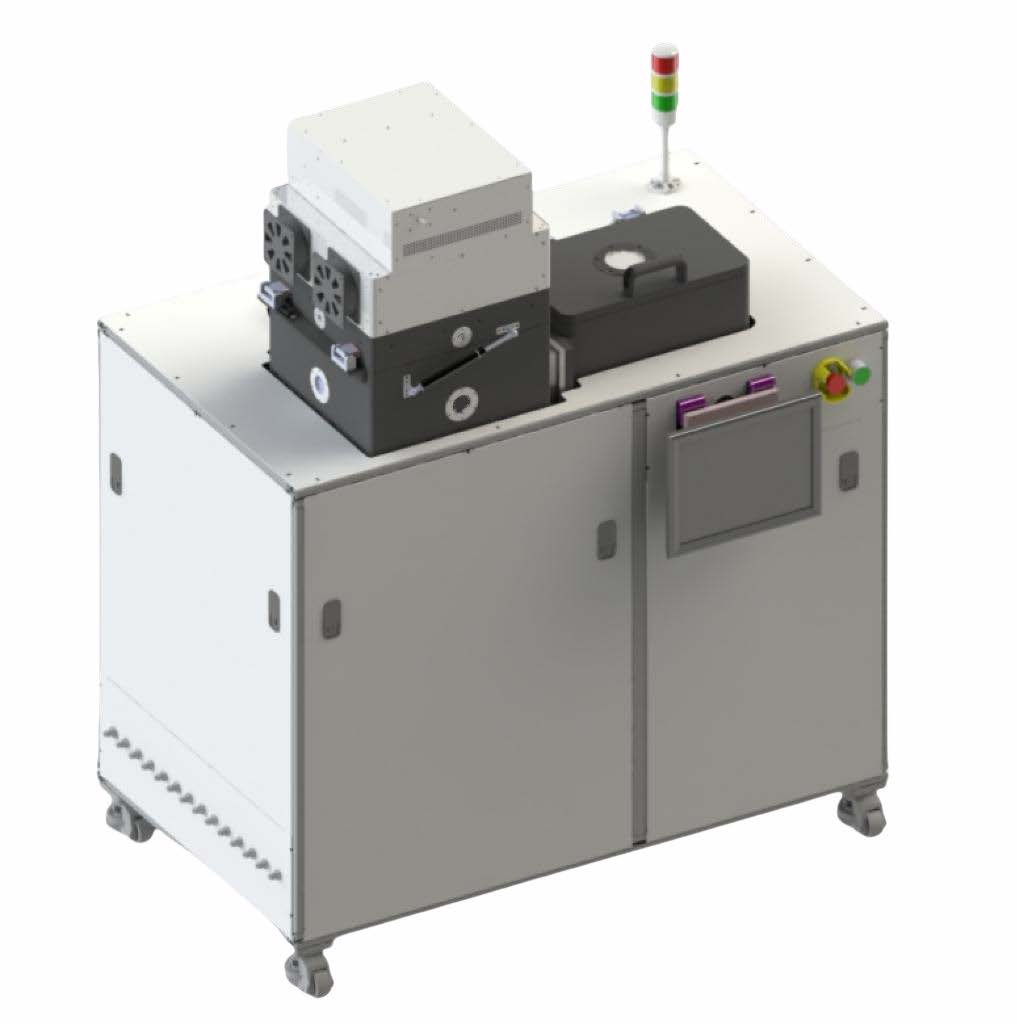
Pivotal Elements of plasma etching within electronic manufacturing. This technique exploits activated ions to carefully etch substrate matter for precise patterning during microelectronics crafting. By calibrating essential attributes like atmospheric content, power magnitude, and gas pressure, the process velocity, selectivity index, and etching orientation can be precisely manipulated. Electrified etching has changed advanced electronics production, monitors, and latest computing tools.
- Additionally, plasma etching is widely examined for specialties in image processing, bioengineering, and material physics.
- A variety of forms of plasma etching are available, including ion-triggered etching and coupled plasma techniques, each with particular features and challenges.
The detailed characteristics of plasma etching involve a complete grasp of the core physical frameworks and chemical properties. This analysis seeks to offer a in-depth recap of plasma etching, addressing its basic tenets, various types, employments, favorable factors, drawbacks, and anticipated innovations.
Riechert Etchers: Precision in Microfabrication
Relating to micron-level engineering, Riechert etchers are renowned as a major contributor. These advanced devices are celebrated for their impressive fine control, enabling the development of intricate works at the invisible level. By employing modern etching methods, Riechert etchers guarantee accurate control of the manufacturing sequence, constructing premium outcomes.
Applications of Riechert etchers cover a varied assortment of fields, such as nanodevices. From fabricating microchips to designing innovative medical gadgets, these etchers represent a foundational element in forming the outlook of scientific progress . With commitment to achievement, Riechert establishes norms for exact microfabrication.
Basics and Deployment of Reactive Ion Etching
Plasma ion reaction etching acts as a vital process in semiconductor fabrication. RIE leverages a fusion of plasma ions and reactive gases to etch materials with fine control. This action comprises bombarding the surface area with dynamic ion beams, which operate on the material to form volatile evaporated products that are then transported by a evacuation process.
RIE’s expertise in profile anisotropy makes it especially useful for producing sophisticated layouts in semiconductor components. Implementations of RIE involve the creation of semiconductor switches, silicon dies, and lightwave devices. The technique can also build narrow slots and microvias for high-capacity storage.
- RIE provides fine oversight over removal velocities and compound distinction, enabling the generation of intricate details at micro-level precision.
- Numerous plasma-reactive compounds can be deployed in RIE depending on the fabrication surface and desired etch traits.
- The directional quality of RIE etching permits the creation of upright boundaries, which is required for certain device architectures.
Promoting Anisotropic Etching with ICP
Magnetically coupled plasma etching has become recognized as a vital technique for assembling microelectronic devices, due to its superior capacity to achieve solid directional accuracy and targeted etching. The fine regulation of plasma characteristics, including voltage supply, component balances, and system pressure, permits the accurate control of substrate modification rates and device contours. This pliability facilitates the creation of intricate layouts with restricted harm to nearby substances. By modifying these factors, ICP etching can significantly mitigate undercutting, a standard complication in anisotropic etching methods.
Assessment of Etching Process Performance
Electronic etching processes are frequently adopted in the semiconductor realm for creating intricate patterns on electronic platforms. This evaluation analyzes a range of plasma etching approaches, including atomic layer deposition (ALD), to determine their suitability for varied substrates and intentions. The study emphasizes critical influencers like etch rate, selectivity, and pattern fidelity to provide a detailed understanding of the benefits and downsides of each method.
Refining Parameters to Elevate Etch Rates
Attaining optimal etching outputs in plasma applications depends on careful control recalibration. Elements such as electrical force, chemical combining, and pressure setup strongly impact the chemical reaction velocity. By carefully shaping these settings, it becomes feasible to amplify functional output.
Insight into RIE Chemistry
Ion-enhanced plasma etching is a key process in nanoengineering, which covers the application of energetic ion species to carefully fabricate materials. The basic principle behind RIE is the contact between these ionized energetic species and the surface of the target substance. This exchange triggers molecular interactions that parse and remove molecules from the material, resulting in a aimed-for arrangement. Typically, the process engages a combination of chemical gases, such as chlorine or fluorine, which are energized within the etch cell. These high-energy ions assail the material surface, initiating the removal reactions.Impact of RIE is determined by various variables, including the category of material being etched, the application of gas chemistries, and the performance variables of the etching apparatus. Detailed control over these elements is required for gaining high-level etch formations and avoiding damage to bordering structures.
Controlling Etch Profiles in ICP Systems
Achieving accurate and regular configurations is vital for the excellence of countless microfabrication practices. In inductively coupled plasma (ICP) fabrication systems, modulation of the etch form is key in establishing dimensions and characteristics of parts being developed. Salient parameters that can be changed to influence the etch profile include process gas composition, plasma power, thermal conditions, and the hardware structure. By thoughtfully regulating these, etchers can produce structures that range from rounded to extremely directional, dictated by particular application stipulations.
For instance, predominantly anisotropic etching is typically desired to create deep cuts or microvias with precise sidewalls. This is accomplished by utilizing intense iodine gas concentrations within plasma and sustaining reduced substrate temperatures. Conversely, even etching generates rounded profiles owing to the typical three-dimensional character. This model can be useful for broad substrate processing or texturing.
Moreover, progressive etch profile techniques such as magnetron sputtering enable the development of exceedingly detailed and deep, tall features. These means usually involve alternating between plasma bursts, using a blending of gases and plasma conditions to ensure the targeted profile.
Appreciating key elements that dictate etch profile control in ICP etchers is necessary for optimizing microfabrication techniques and realizing the expected device output.
Plasma-Based Removal in Microelectronics
Plasma processing is a key approach employed in semiconductor assembly to surgically cleanse substances from a wafer interface. This operation implements energized plasma, a concoction of ionized gas particles, to strip designated zones of the wafer based on their elemental makeup. Plasma etching ensures several advantages over other etching techniques, including high etch precision, which permits creating fine trenches and vias with limited sidewall erosion. This clarity is critical for fabricating detailed semiconductor devices with stacked formats.
Applications of plasma etching in semiconductor manufacturing are varied. It is used to assemble transistors, capacitors, resistors, and other critical components that create the foundation of integrated circuits. Moreover, plasma etching plays a key role in lithography techniques, where it makes possible the meticulous organization of semiconductor material to form circuit arrangements. The high level of control offered by plasma etching makes it an essential tool for state-of-the-art semiconductor fabrication.
Advanced Directions in Etching Technology
Cutting-edge plasma etching consistently advances, driven by the amplified pressure on plasma etch process improved {accuracy|precision|performance