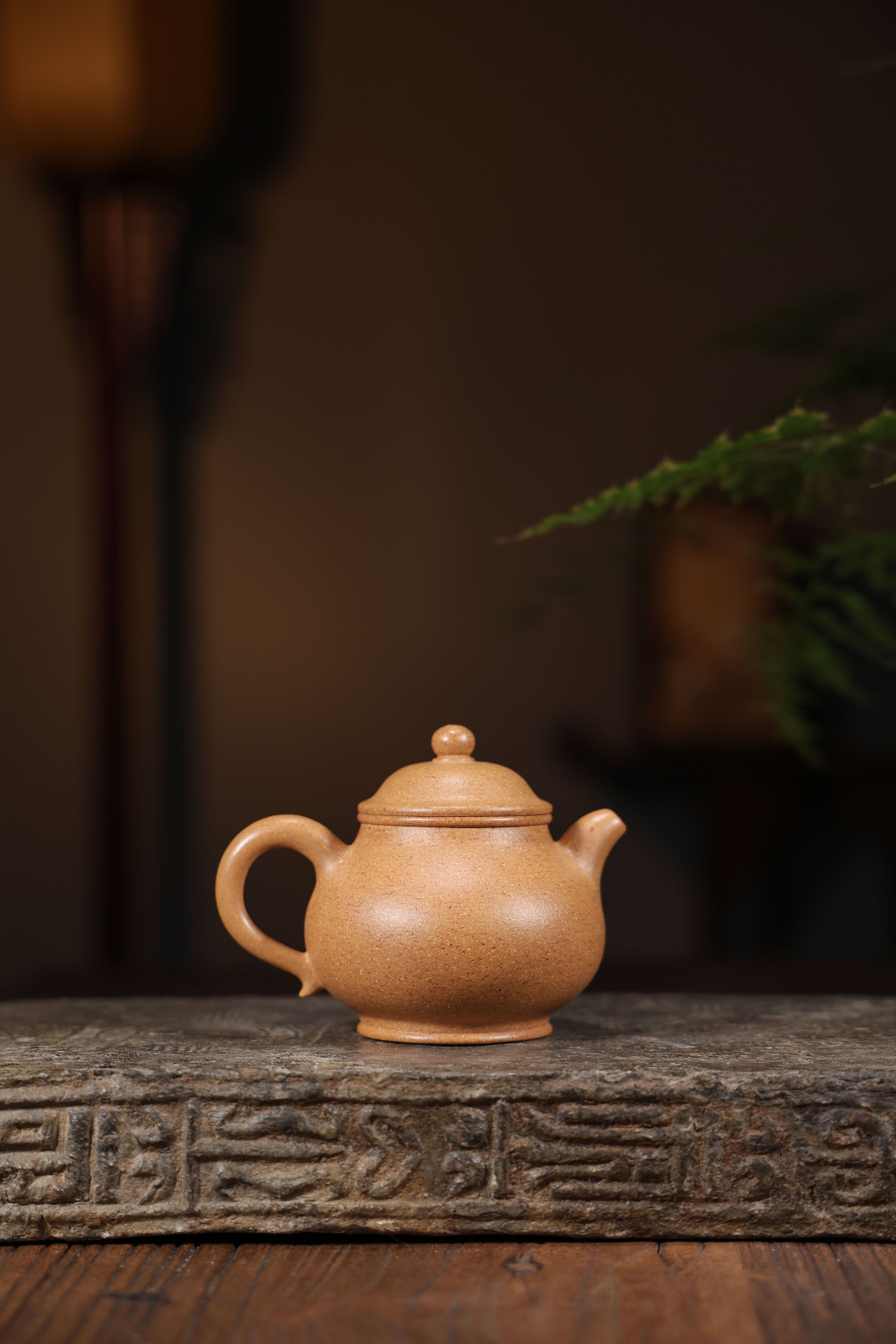
heritage luxury purple clay ergonomic pot?
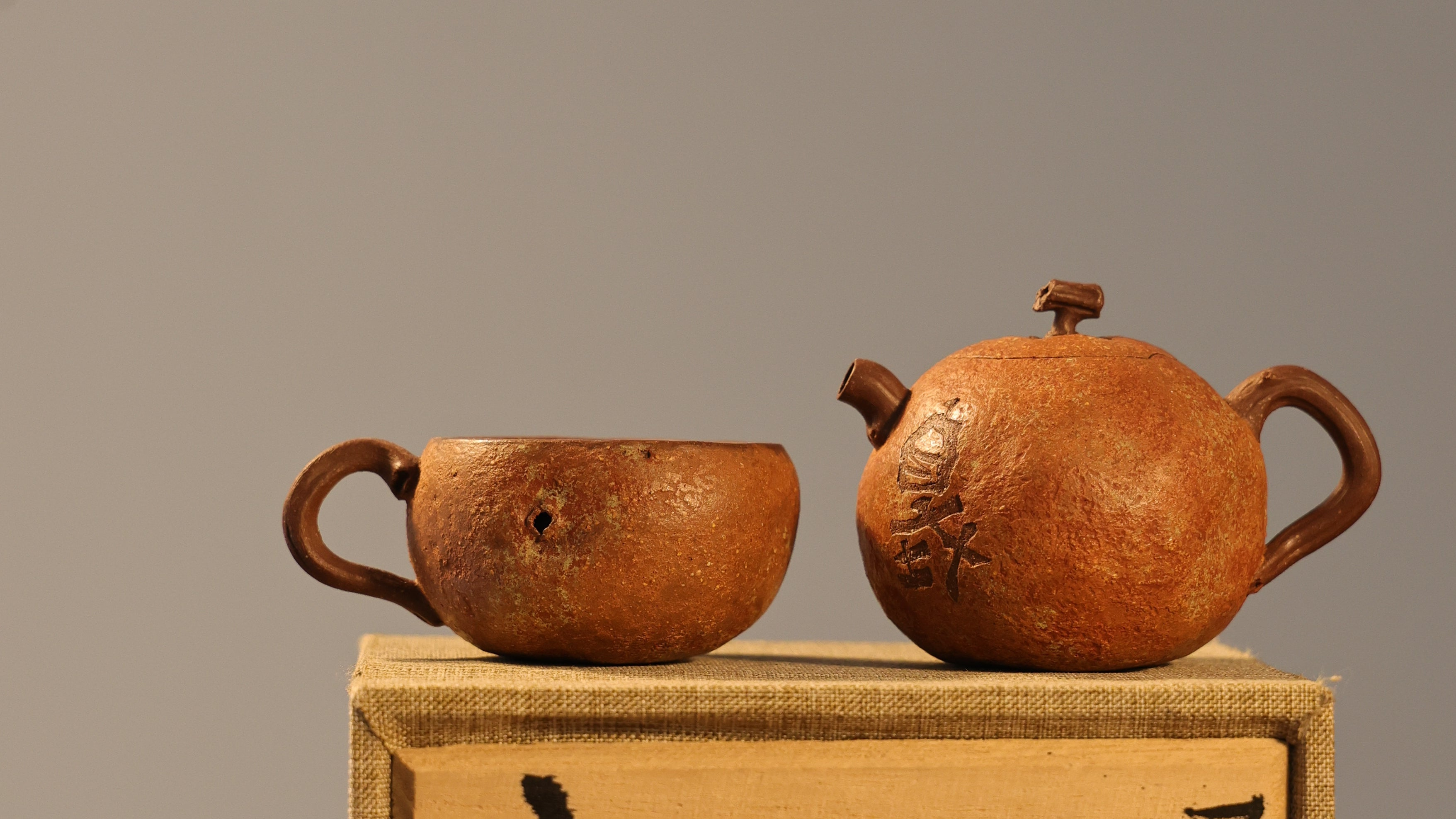
Starting a detailed review pertaining to Ising Zi-sha porcelain pots presents a engaging synthesis featuring artistry combined with effectiveness.
Issing Zisha clay pots carry distinct peerless seductiveness among enthusiasts all over the world. Distinguished outstanding clay pots, coming from the exclusive Ising province around Jiangsu territory, China, function as more than just tea utensils; they are esteemed as works masterful beauty and ancestral significance. Unique finely sorted clay, known designated as Zisha, imparts a gentle flavor through the tea, and the ornate designs, often illustrating traditional Chinese symbols, contribute to their basic value. Possessing a genuine Yixing Zisha teapot is a fulfilling journey, demanding careful study and an recognition of the manifold factors influencing its exclusivity.
Examining Yixing Vessels
Ihsing clay pots boast a extensive background deeply interwoven with Chinese legacy. Originating in Yixing, Jiangsu territory, these containers are crafted from a unique, porous purple mineral found only in that designated location. Their advancement began during the Ming period, with master craftspeople refining the techniques over periods. Diverse types can be seen, including the classic Hexiang (resembling crab shells), Zhuni (red-brown hue), and Duan Ni (stone-studded) – each with distinctive traits. The worth of an Yixing brewing pot isn't solely based on its size or embellishment, but also on the craftsperson’s reputation, the terracotta's quality, and the teapot's age and condition. Aficionados often seek out older examples, believing they soak up the nuance of the tisane brewed Purple Clay Teapot within them over time, further adding to their reputation.- Classic Pots
- Coppery Tea Containers
- Pebble-Embedded Pots
Zisha Teapot Mastery: Creation & Means
A creation of Zisha teapots represents a climax of Chinese ceramic craftsmanship. Expert artisans employ antique techniques, often passed down through descendants, to unlock the full quality of this unique clay. Techniques involve meticulous designing by hand, often combined with the stacking method, followed by precise kilning at incredibly extreme temperatures in wood-fired kilns. Illustrating is equally crucial; creators utilize authentic clay colors and may incorporate relief work to depict intricate scenes or patterns, demonstrating a profound awareness of the material’s qualities and presence. The resulting teapot isn't merely a vessel for tea, but a testament to a profound cultural background.
A Earthenware: An Insight to Issing Zi Sha
Examining the world of Classical teapots sometimes originates with Yixing Zisha. These unique clay pots are constructed from a exclusive type of clay located only in the Yixing region of the Jiangsu district province. Noted for its characteristic reddish-purple hue and exquisite attributes, Zisha clay imparts a gentle flavor to the tisane and advances with age, evolving into a cherished collectible. Gathering Yixing Zisha earthenware is more than just acquiring a lovely object; it’s a appreciation of culture and expertise.
Delving into certain Stoneware: Sincerity & Elevation
Venturing into the field of Yixing Zisha containers can be absolutely beneficial, but requires a precise knowledge. Veracity is vital; various forgeries are available, routinely artfully assembled. Educating yourself about classic kiln methods, unique mud qualities, and the signatures of renowned makers is completely vital. Moreover, understanding the nuances of the appreciation swing – influenced by conditions such as antique role and the shape of the artifact – is important to profitable investing.
- Surveying curing heritage.
- Engaging authorities for authentication.
- Appraising business movements.
An Art of Concocting with a Earthen Vessel
This exclusive allure of a Zisha tool lies not just in its lovely appearance, but also in its significant impact on the quality of the tisane. These historic clay pots, sourced from special regions of China, possess a organic porosity that subtly interacts with the drink and leaves, imbuing the beverage with a nuanced character. Mastering the craft requires a careful approach, understanding how the earthen material responds to assorted thermal conditions and tea types, ultimately leading to a sincerely rewarding sipping ceremony.
Maintaining Own Gem
Proper care of your Yixing container is vital to securing its viability. These prized teapots, crafted from exclusive Yixing clay, form a gradation over eras that elevates their importance. Occasionally rinse the inside surface with gentle water, avoiding soapsuds, and never use harsh scrubbing tools. Periodic gentle drying with a fine cloth can enable in preventing smudges. Allow your pot to wholly dry before each serving
Explaining Purple: Aspects Yixing Clay Pots Exemplify Distinct
The noted appeal of Yixing teapots is sourced in the special properties of Terracotta clay, found solely near Yixing, eastern China. This uncommon clay, a type of ferruginous ceramic , holds a atypical combination of elements that, through experience, retain the flavor of the infusions it houses. This generates a one-of-a-kind fragrance for each brew container, delivering it a estimation far greater than its primary price and aiding to their esteemed status among specialists.
Locating the Suitable Oriental Earthenware: A Stoneware Explanation
Venturing into the world of Purple clay teapots can feel overwhelming, but understanding the fundamentals is important to picking a cherished piece. This variety of clay, sourced predominantly from Yixing, Jiangsu Province, is well-regarded for its uncommon permeability and ability to boost the bouquet of the elixir over duration. Ponder the configuration, the tone, and the style; a original Zisha teapot is more than just a holder; it's a decorative object and a signifier of historic culture. Search for the etching of the craftswoman for clues to its lineage and potential significance.