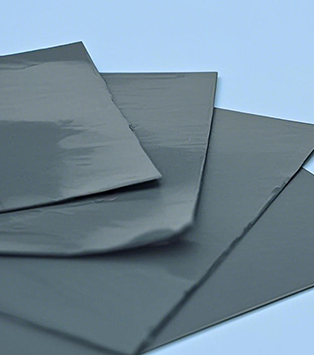
high value profit oriented acidic guard bonding products?
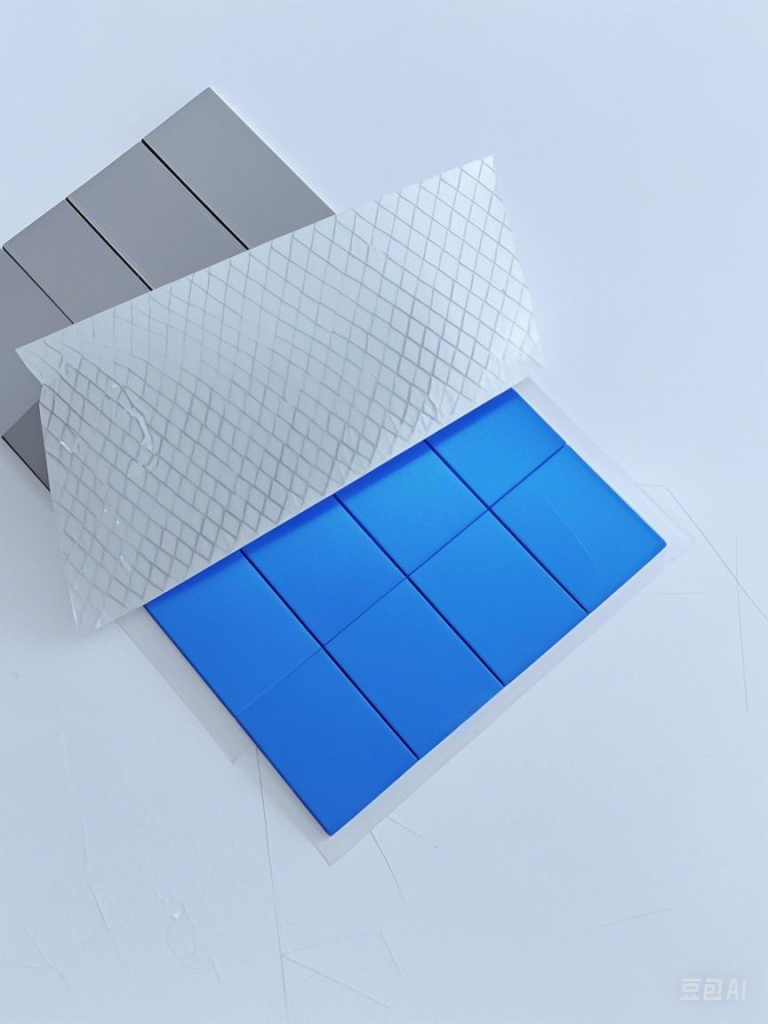
Inside the area of electronics,as minuscule units run over delicate milieus,rust forms a serious peril to working and quality. To mitigate this threat,innovative solutions are steadily being explored. A viable method is the application of acid-formulated compounds. The dedicated elements, made from specific acid components, demonstrate unique abilities to block degradation. When positioned upon electric units, sealants establish protection from dampness, oxidants, and corrosive factors, increasing lifespan and assuring optimal device efficiency.
Electron Flow Surface Fusing Parts in Innovative Electronic Systems
Among the evolving sector of future microelectronics,required outputs for limited and advanced apparatus expand. Investigation into fresh materials and production processes is ongoing to address such demands. A key innovation involves conductive coatings aiding connectivity between electronic segments.
The films exhibit outstanding conductive traits permitting flawless charge transfer between modules. Supporting rapid signal routing, they boost the progress of small, high-functioning gadgets
- Moreover, conductive films offer a wide range of benefits.
- These sheets cover diverse textures promoting building of sophisticated device aggregates.
- Also, the strata feature exceptional endurance, sustaining reliable circuitry work in severe atmospheres.
Thermal Conductive Sealants: Boosting Heat Dispersion in Sophisticated Equipment
Within advanced digital systems, effective thermal removal is critical for peak operation. Forceful apparatuses commonly generate ample heat potentially leading to issues lacking management. Thermo-conductive substances surface as key remedies for these problems, promoting efficient heat movement and circuit robustness. These agents contain great heat transport granting rapid thermal evacuation from tender regions.
Applying thermo-conductive substances provides numerous advantages. This offers reliable, robust protections from exposure, hindering humidity, particles, and unwelcome intrusion. Likewise, gluing abilities guarantee steady, lasting links connecting components faithfully. Malleability allows tolerance of growth, restraining strain development and breaking risks.
State-of-the-Art Microchip Packaging Approaches: Innovating Chip Enclosure Strategies
The ever-increasing demands for smaller, faster, and more efficient semiconductor devices have pushed the industry to explore innovative packaging solutions. Among these emerging technologies, PDSM (Plastic Die Stacking Module) has emerged as a promising contender for enabling significant performance enhancements. Through integrating several dies into one module, PDSM presents a dense and reliable base for powerful computing uses.
An important perk of PDSM involves contracting system magnitude. This concentration is highly useful for implementations restricted by spatial scarcity. Besides, PDSM models refine electrical coupling among dies, resulting in accelerated communication and diminished wait. This efficiency gain renders PDSM suitable for taxing domains including deep learning, robust computing, and intelligent systems
Innovative Acid-Tolerant Sealants for Severe Surface Scenarios
During stringent industrial phases where aggressive agents cause continual problems,choosing dependable and strong sealants becomes critical. Aggressive agent-resistant elements show as crucial components for preserving fundamental infrastructures and tools from breakdown. The sealants utilize specialized macromolecules and modifiers ensuring outstanding safeguarding from various acidic, alkaline, and detrimental materials. These layers display superior binding capacity on varied platforms producing secure stable connections during harsh conditions
- State-of-the-art acid-based coatings resist extended heat exposure, suited for hot-work environments in factories.
- These materials assure outstanding humidity repellence and blocking attributes, securing vulnerable apparatus from water-induced wear.
- Furthermore, these products come in multiple compositions tailored to satisfy precise needs for diverse uses.
Invisible Electron-Conducting Plates: Driving Bendable and Sheer Devices
Digital device fields are steadily changing, supported by growing market for compliant and translucent systems. Such advances happen because of needs for inventive techniques that combine harmoniously with everyday life. See-through conduction layers spearhead the change, delivering special blend of conduction and visibility. These coverings, regularly produced using materials like ITO and graphene, support manufacturing of malleable displays, touch-sensitive layers, and clear electronic conduits.
Thermal Conductivity Effects on Device Stability
Thermo-conduction exerts key impact on entire system effectiveness. Robust heat transfer enables efficient heat removal, alleviating overheating problems. By comparison, insufficient thermal flux leads to overheating, damaging device functionality.
- Such as: Communication devices including excellent heat conductive constructions perform optimally during intense cycles
- Moreover, fields such as aerospace and automotive utilize highly conductive materials to withstand critical heat conditions
- Ultimately, insight into thermal conductivity significance supports professionals refining equipment functionality, reliability, and lifetime.
Reviewing Sealant Traits for Reliability in Electronic Boxes
Working of electronic boxes depends upon the credibility of the sealing substances incorporated. Such substance contributes a necessary wall preventing environmental harm, protecting component quality. For durable applicability, strict testing of joining capacity, persistence, and heat resistance is fundamental. A broad evaluation enables selection of materials equipped to ease hazards related to environmental harm.
Cutting-Edge PSDM Technologies for Optimized Chip Package Connection
Augmented requests for enhanced reliability and smaller chip boxes motivate invention of state-of-the-art PSDM methods. These progressive procedures are key to perfecting incorporation, minimizing connection problems, and raising overall stability. Latest developments in PSDM implement advanced emulation instruments and calculation methods to reliably project system dynamics across diverse environs. This review assesses advanced PSDM techniques, outlining their support for enhanced chip unification.
- A prominent shift involves expanded adoption of AI-powered tools in PSDM processes
- Furthermore, advancements in multiphysics simulation allow engineers to model the complex interplay of thermal, mechanical, and electrical phenomena within chip packages
- At last, steady advancement in PSDM strategies signals promising developments in chip assembly technology. By supporting precise enhancements and diminishing assembly barriers, such technologies foster ultimate, effective consumer electronics
Cutting-Edge Conductive Ink Solutions Tolerant to Acidic Conditions
Printed electronic technology constantly changes, propelled by desires for adaptable, featherweight, and economical components. An essential factor in this change hinges on innovative compounds, notably acid-defying conductive inks. These compounds singularly resist aggressive acid surroundings, allowing extensive applications in varied areas
- Corrosion-proof conductive inks facilitate making devices that function amid aggressive environments
- They are particularly suitable for use in industries such as chemical processing, where corrosion is a major concern
- In addition, these compounds enable manufacturing pliant and crystalline conductive paths
The possibility scope for acid-sheltering conductive inks looks promising, with novel utilizations seen in health sciences, medicine, and power management.
Advanced Thermal Management Solutions for High-Power Devices
Gadgets powering electric systems intensify challenges linked to electric cars, renewable sources, and superior computation. {These systems generate significant heat, which can impact performance and reliability|Such assemblies produce considerable warmth that may affect device functioning and dependability|These circuits emit substantial heat risking operational efficiency conductive rubber and stability|The modules discharge serious thermal loads potentially influencing performance and robustness|These components develop notable heat threatening working effectiveness and reliability|The devices radiate important warmth which could impair functionality