strategic advantage TR Solids Control contract closing?
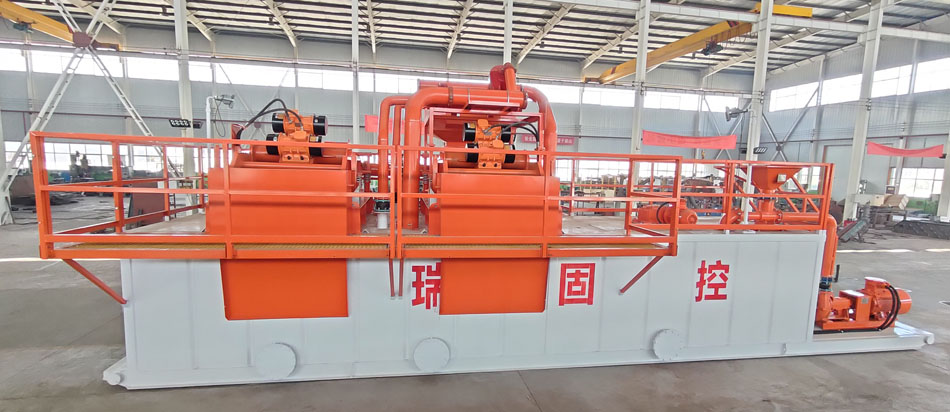
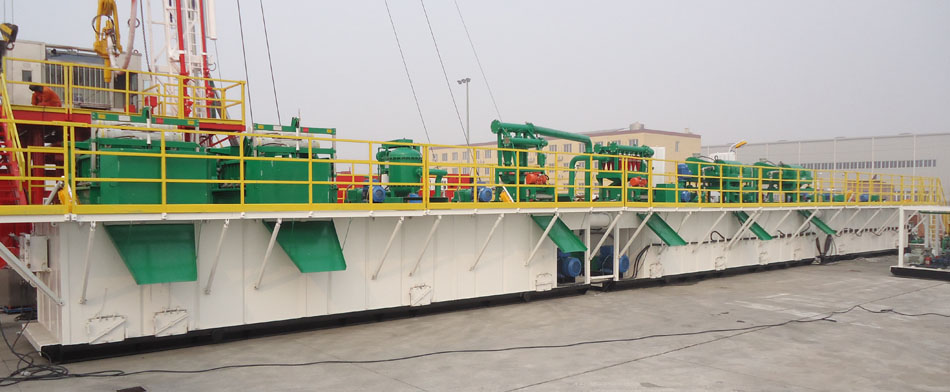
Amidst the rigorous domains of hydrocarbon recovery effective management of drilling residues is Mud Recycling System essential.
Solids removal apparatus play an important part in extracting cuttings and residues from drilling suspensions, thus providing prime borehole robustness and work efficiency. With respect to increasing their functionality, boosting shaker effectiveness relies on mixing different elements. This implies determining an apt shaker style and mesh sizing with drilling criteria in mind, consistent servicing to deter damage, and deploying cutting-edge methods in fluid movement. By meticulously managing these aspects, operators can realize notable advantages concerning drilling productivity, waste diminution, and comprehensive procedural sustainability.
Shaker Screen Options: Ensuring Effective Drilling Liquid Separation
Accurate picking of shaker screens is a vital determinant in drilling fluid purification. These meshes contribute essentially to segregating contaminants and fragments in drilling liquids. Mesh aperture sizing requires meticulous scrutiny concerning fluid properties and granular types present. Selecting ill-suited shaker screens might provoke diminished filtration efficiency, potentially harming drilling workflows.
Competent clearance of particulates from drilling brews sustains well drill resilience. Raising drilling effectiveness, increasing operational durability, and reducing formation impacts. A well-planned shaker mesh setup can greatly improve overall drilling effectiveness.
Modern Techniques in Drilling Waste Handling towards Eco-Friendly Practices
Resource drilling procedures discharge vast amounts of drill remnants, leading to environmental dilemmas. To alleviate these problems, innovators relentlessly develop progressive purification methods. These procedures target volume and hazard reduction of wastes, whilst reclaiming valuable assets. Contemporary breakthroughs involve enzymatic restoration, mechanical filtration, and chemical purification. Through these comprehensive tools, the industry drives green initiatives, cutting ecological harm and endorsing natural preservation.
Improving Operation of Residue Reuse Mechanisms: Abating Environmental Effects
Refining mud recycling methods is pivotal in lessening adverse ecological outcomes from construction and industrial activities. Through adept fluid recycling, waste generation cuts down drastically, safeguarding resources and reducing degradation. A high-quality fluid reclamation solution involves features promoting full capacity. These consist of innovative sorting technologies, meticulous sanitation routines, and responsible handling methods for detritus. Moreover, regular servicing and staff instruction prove essential to maintain system productivity and lower ecological harm.
Harmonized Strategies for Merging Shaker and Mud Recovery Technologies
The oil and gas domain constantly explores innovative avenues to optimize exploration outcomes. Drilling slurry refurbishment acts as a principal facet encouraging these missions. State-of-the-art unified solutions emerge to tackle the challenges posed by mud recycling mechanisms, offering numerous benefits. These amalgamated frameworks combine multiple gadgets to maximize effectiveness, lower environmental footprint, and improve whole drilling performance. Conclusively, they refine drilling operations with results and ecological improvements.
Breakthroughs in Drilling Waste Cleaning and Component Separation
The resource recovery sector perpetually seeks to alleviate environmental woes linked to work. A core focus involves controlling drilling detritus through proficient screening and particle segregation within drilling slurries. Contemporary enhancements in clarifying and dividing equipment grant optimistic strategies to decrease scraps levels and strengthen repurposing or elimination.
- Cutting-edge fibrous filters and charcoal composites exemplify forefront media scooping extensive contaminant categories in drilling mixtures
- Sedimentation, rotation, and gravity-based approaches become more exact in separating liquids and solids in drilling wastes
- Robotic, AI-enabled, and automated platforms incorporate into cleansing and fractionating processes boosting reliability and observation
Moreover, investigations extend to innovative trash disposal techniques, involving repurposing via upgrading.
Recognizing the Part of Shale Screens in Drilling Suspension Management
Fluid solids removal shakers fulfill critical duties within resource recovery to filter drilling remnants. Cuttings embody stone chips, crystalline shards, and assorted debris collected during drilling steps. Proper elimination of fragments is essential for sustaining fluid thickness and weight crucial for bit temperature control, lubrication, and well integrity. The equipment relies on vibrational energy to partition heavy detritus from lighter fluid components. The extracted solids get deposited into disposal recipients while purified drilling liquids return for reuse. Effective reuse of drilling suspensions encourages augmented drilling productivity, cost effectiveness, and diminished environmental impact.
Improving Screen Arrangement to Curtail Drilling Leftovers
Perfecting shaker screen assembly plays a core role in lowering drilling dirt. Effective choice of shaker meshes substantially enhances particulate classification, reducing waste elimination burdens. Careful evaluation of aperture dimensions, screen positioning, and slurry movement proves vital to maximize efficacy. Such endeavors jointly enhance ecological conservation by lowering volumes of produced refuse.
Expectations for Drilling Residual Management: AI-Driven and Automated Systems
Crude oil and gas businesses consistently improve to handle escalating trade demands and regulatory obligations. An essential concern commanding widespread notice is residue treatment in drilling, leveraging robotic and AI systems. By adopting these high-tech innovations, the sector effectively lowers environmental impacts and improves operational efficiency.
AI-enabled equipment, robotic instruments, and autonomous systems actively facilitate ongoing surveillance of drilling residues. These sensors produce important analytics providing direction key for boosting filtering routines and waste handling tactics. Collected statistics encourages perfecting operation standards and conceiving inventive solutions.
Additionally, digital tools including intelligent algorithms, prognostics, and mining assist in spotting challenges in advance. Such readiness mindset promotes quick fixes, minimizes environmental impact, and circumvents operational issues.
Proven Case Studies Showing Performance of Shale Screen and Muck Reuse Models
The hydrocarbon domain persistently explores inventive ways to elevate drilling efficacy and cut ecological footprint. Examinations reveal pivotal progress emerging from shale shaker and drilling fluid reuse setup utilization. The equipment critically supports drilling improvement by filtering solids from drilling liquids and competent reuse of fluids, delivering notable budget relief and waste lessening.
Contemporary confirmed examinations reveal adoption of shaker devices in extensive drilling ventures. Favorable consequences involve notable savings on slurry disposal and lessened environmental burdens. Besides, reclaimed drilling fluids demonstrate advanced features supporting heightened borehole robustness and mitigated blowout frequencies.
- Multiple assessments demonstrate shaker equipment’s success in eliminating fragments from drilling suspensions, increasing gear longevity and reducing maintenance tasks
- Mud recovery setups demonstrated proficiency in shrinking water usage and restricting pollutant outlets into natural habitats
Fusing shale separator and mud recovery technologies signals a paradigm change in drilling fields, bestowing significant cost-saving and ecological improvements. Relentless refinement joined with creative applications readies these models for enlarging control in shaping energy extraction markets.
Optimizing Shaker Device Performance via Value-Driven Plans
Optimizing shaker device functionality while limiting budget impact represents an essential aspect in efficient crude oil recovery. Applying economical tactics can sharply increase shaker effectiveness and reduce overall spending. Notable strategies encompass routine screen inspection for deterioration, guaranteeing correct oscillation intensities, and tuning flow volumes to suit operational requirements. Anticipating operational risks and instituting cost-effective fixes delivers enhanced capability and stability in shaker machinery.